
Choosing the right stone for your jewelry is an exciting milestone. Many gems look nearly identical when you first view them. Understanding cubic zirconia vs diamond helps match your choice to your budget and lifestyle.
These stones share a bright sparkle, but they are made from very different materials. A natural gem ranks 10 on the Mohs scale and offers excellent hardness for daily wear. Synthetic alternatives usually measure 8 to 8.5, which affects their long-term durability.
This guide helps you explore the Indian market with confidence. We examine appearance, maintenance, ethical sourcing, and certification. Comparing these points helps you choose between cubic zirconia vs diamond for your style and investment goals.
Key Takeaways
- Natural stones offer superior hardness, ranking 10 on the Mohs scale.
- Synthetic alternatives provide a budget-friendly way to achieve a similar aesthetic.
- Consider your daily activity level when choosing between these two materials.
- Certification is vital for verifying the quality and value of your purchase.
- Ethical considerations play a growing role in modern jewelry selection.
- Maintenance requirements differ significantly based on the stone’s composition.
Cubic Zirconia vs Diamond: What You Are Really Comparing
Understanding how these stones differ helps you make a smart purchase. They may look alike, but their chemical and physical properties differ.
A diamond is a natural gemstone made of crystalline carbon, formed deep within Earth over billions of years. In contrast, cubic zirconia is lab-made and consists of zirconium dioxide.
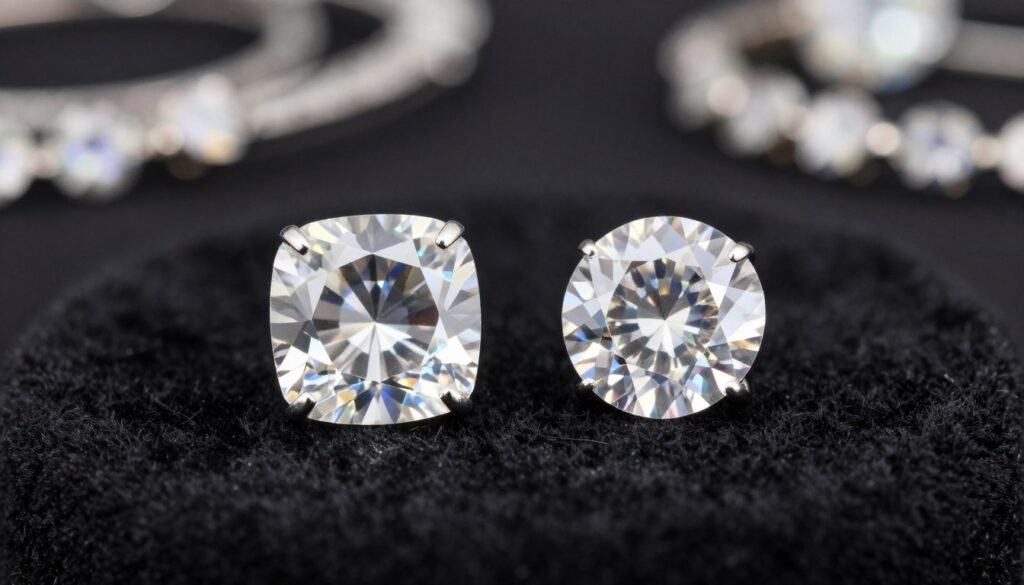
Why These Stones Are Often Confused
The confusion between cubic zirconia vs diamond often comes from their visual brilliance. Both stones are cut to reflect light, creating sparkle that can fool an untrained eye. Since they have similar refractive indexes, many people cannot tell them apart without professional tools.
Yet, they interact with light differently upon close inspection. Diamonds show brilliance and fire, while cubic zirconia may look too bright or rainbow-colored. Over time, diamond surfaces stay pristine, but cubic zirconia may lose luster from tiny scratches.
How “Real Diamond,” “Simulated Diamond,” and “Diamond Alternative” Differ
Look beyond the word “real” when comparing your choices. A real diamond is a natural mineral, while a simulated diamond mimics diamond looks without sharing its chemical structure. Cubic zirconia is the most common type of simulant.
A diamond alternative, such as moissanite, belongs to a different category. These stones may share physical traits with diamonds, including high hardness, but they are not the same material. Always check the product description so you know exactly what you are buying.
Which Buying Priorities Matter Most in India
In India, buying priorities often extend beyond the stone itself. Consider the total jewellery cost, gold or platinum purity, and the presence of BIS hallmarking. Transparency matters; a reputable jeweler should state whether the stone is natural or a synthetic simulant.
When comparing cubic zirconia vs real diamond, consider your piece’s long-term value and repair needs. Cubic zirconia suits fashion jewellery, while natural diamonds are often seen as long-term investments. Ask about return policies and certification before you finalize your purchase.
| Feature | Natural Diamond | Cubic Zirconia |
|---|---|---|
| Composition | Crystalline Carbon | Zirconium Dioxide |
| Hardness (Mohs) | 10 (Hardest) | 8.5 |
| Price Point | High | Very Low |
| Resale Value | Moderate to High | Negligible |
How Cubic Zirconia and Diamond Are Made
The diamond vs cubic zirconia journey differs from raw material to sparkling stone. Knowing their origins helps you value your chosen jewellery’s unique traits.
The Composition and Manufacturing Process of Cubic Zirconia
Cubic zirconia is a synthetic material made in a laboratory. Makers melt zirconium dioxide powder with stabilizers, such as calcium or magnesium, at very high temperatures.
After cooling, the mixture forms crystals. Workers cut and polish them to mimic fine gems. Controlled production creates flawless and colourless stones on demand.
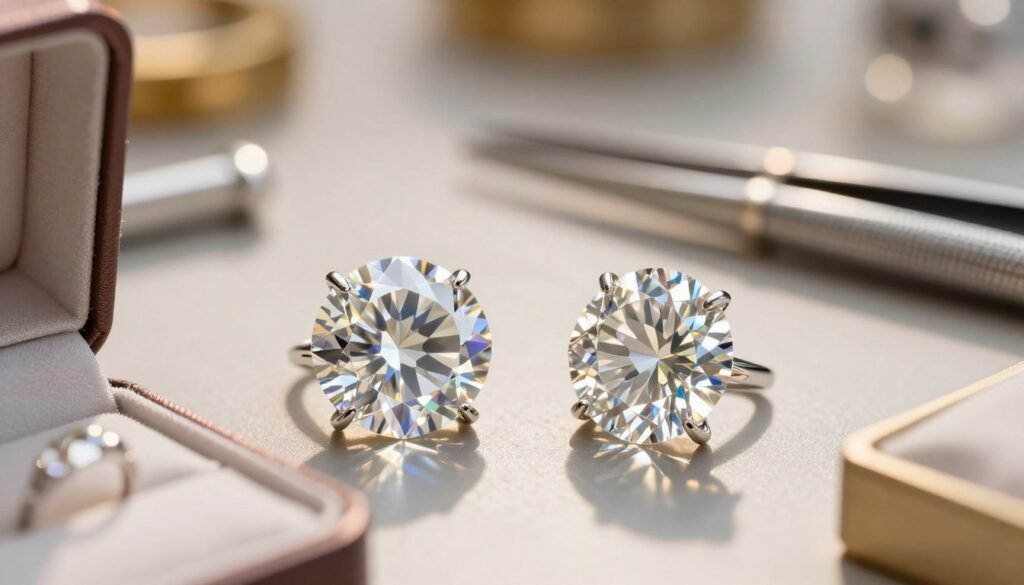
How Natural Diamonds Form and Are Cut
Natural diamonds form deep within Earth’s mantle over billions of years. Intense heat and pressure crystallize pure carbon into the hardest known natural substance.
After miners extract rough stones, skilled artisans cut and polish them with precise techniques. This step unlocks the brilliance and fire seen in a finished diamond.
How Lab-Created Diamonds Fit Into the Comparison
In a cubic zirconia vs lab-created diamond comparison, note the key chemical difference. Lab-created diamonds are physically and optically identical to mined diamonds because both share the same carbon crystal structure.
In contrast, cubic zirconia is a distinct mineral alternative without the carbon composition of a real diamond. Both can look beautiful in a setting, but they are different types of jewellery materials.
Cubic Zirconia: Appearance, Strength, and Everyday Performance
When you compare jewelry styles, cubic zirconia offers distinct features beside other stones. It has a bright, colorless look that resembles high-quality gems at a fraction of the cost. This makes it popular with buyers seeking a luxurious look without paying for natural stones.
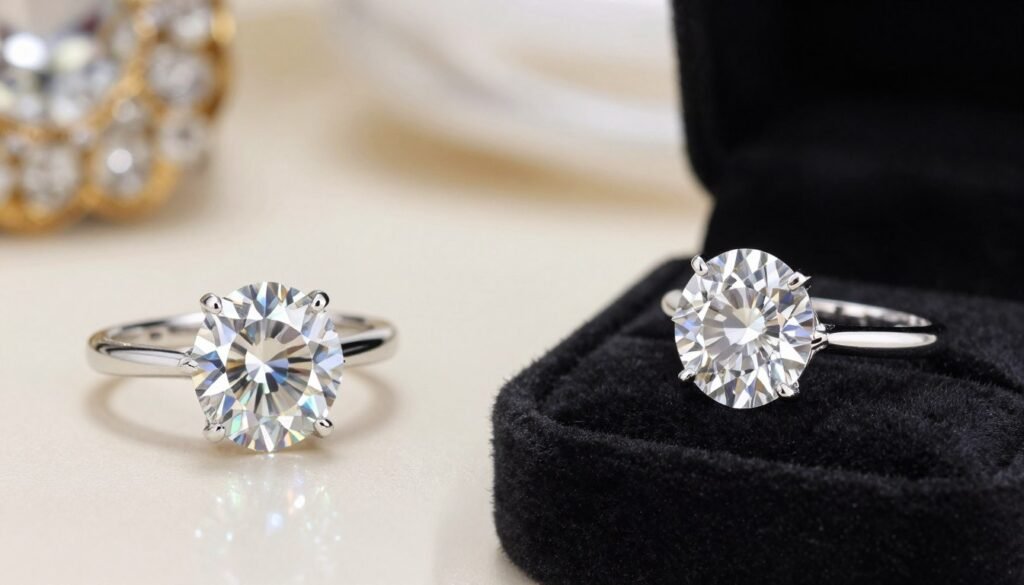
How CZ Looks in Rings, Earrings, and Pendants
Cubic zirconia suits many jewelry settings. It often appears in rings, earrings, and pendants, where its high refractive index creates bright sparkle. Since it is made to be flawless and colorless, it gives fashion-conscious buyers a steady look.
Its Mohs Hardness and Resistance to Scratching
Stone durability matters in a cz vs diamond comparison. Cubic zirconia ranks between 8 and 8.5 on the Mohs scale of hardness. It is durable, but softer than diamond, which sits at a perfect 10.
“True elegance is found in the balance between beauty and the practical reality of how we wear our jewellery every day.”
Why CZ Can Become Cloudy or Dull Over Time
Over time, cubic zirconia may lose its initial fire. Daily activities can cause surface abrasion, which reduces its shine. Oils, lotions, and soap residue can cover its brilliance, making it look cloudy or dull.
Regular cleaning helps maintain its shine. Even with care, cubic zirconia lacks a diamond’s long-term resilience. For a cz vs diamond choice, remember that cubic zirconia needs more frequent maintenance to look its best.
Where Cubic Zirconia Works Best
Cubic zirconia is an excellent choice for occasional wear and trendy fashion pieces. Large, bold designs may cost far more when crafted with natural diamonds. These statement accessories offer a high-end look while keeping your budget intact.
Diamond: Appearance, Strength, and Long-Term Wear
If you are exploring the differences between cubic zirconia and diamond, diamond performance is a useful place to start. Many stones look bright, but diamond remains a luxury and durability benchmark in the Indian jewellery market.
Why Diamond Has Distinctive Fire, Brilliance, and Scintillation
A diamond’s beauty comes from how it interacts with light. Brilliance means white light reflected to your eyes, while fire means spectral colors from light. Scintillation means the flashes you see when the stone or your hand moves.
These effects depend greatly on the stone’s cut. A well-proportioned diamond lets light enter through the top, reflect inside, and return to your eyes.
Diamond’s Hardness and Suitability for Daily Wear
Diamonds are the hardest known natural material, with a perfect 10 on the Mohs scale. This hardness makes them ideal for daily wear because they resist scratches from almost any other substance. You can wear a diamond ring during routine activities without fearing surface abrasions.
How Cut, Colour, Clarity, and Carat Affect Appearance
The Four Cs offer a standard way to evaluate a diamond. Cut is often most important because it controls the stone’s light performance. Colour grades run from colorless to light yellow; clarity measures inclusions, and carat shows weight, size, and market price.
Why Diamond Still Requires Proper Care
Despite its strength, a diamond is not indestructible. Its girdle or edges can chip when hit against a hard surface at a certain angle. The metal setting can also wear down, which may leave the stone loose.
| Feature | Diamond Property | Impact on Wear |
|---|---|---|
| Hardness | 10 Mohs | Highly scratch-resistant |
| Light Play | High Fire & Brilliance | Exceptional visual depth |
| Maintenance | Requires periodic checks | Ensures setting security |
Regular professional inspections help keep your jewellery safe. Understanding these differences between cubic zirconia and diamond shows why diamonds remain a timeless investment for your collection.
Cubic Zirconia Diamond Comparison at a Glance
When you seek the right stone, a clear cubic zirconia diamond comparison helps guide your choice. Understanding the technical and aesthetic differences between cubic zirconia and diamond helps match your needs and budget.
Side-by-Side Table for Material, Appearance, Durability, and Maintenance
This table shows the main physical traits of each stone. Use it to find the material that fits your lifestyle.
| Feature | Cubic Zirconia | Natural Diamond |
|---|---|---|
| Composition | Zirconium Dioxide | Pure Carbon |
| Mohs Hardness | 8.5 | 10 |
| Visuals | High dispersion (rainbow) | Balanced brilliance |
| Maintenance | Requires frequent cleaning | Low maintenance |
Comparing Weight, Light Performance, and Colour
One of the most notable differences between cubic zirconia and diamond is density. A cubic zirconia stone of the same size feels much heavier in your hand.
Diamonds show a more balanced mix of brilliance and fire. Cubic zirconia can look very bright, but it may lack subtle sparkle in various lighting conditions.
Comparing Resale Prospects, Certification, and Perceived Prestige
A diamond purchase often includes prestige and long-term value. Labs like GIA or IGI provide strict certification, which can support a diamond’s resale potential.
Cubic zirconia is a fashion choice, not an investment. It has little or no resale value and is rarely certified. This makes it ideal for daily fashion jewelry, not heirloom pieces.
The Main Pros and Cons of Each Stone
Your priorities should guide your choice. A cubic zirconia vs diamond decision often weighs cost against longevity.
- Cubic Zirconia Pros: Extremely affordable, flawless clarity, and perfect for trendy, temporary styles.
- Cubic Zirconia Cons: Prone to scratching over time and loses its luster as it collects oils.
- Diamond Pros: Unmatched durability, high prestige, and excellent long-term value.
- Diamond Cons: High initial cost and requires careful budgeting for quality grades.
How Sparkle and Visual Realism Compare
When you view a gemstone, its light play shapes its visual appeal. Learning how light reflects can help you compare cz vs diamond with confidence. Each stone reacts to its setting and light source, creating a different look.
Diamond’s Balanced Brilliance and Natural Fire
A high-quality diamond offers a perfect balance of white light, called brilliance, and colored light, called fire. As it moves, it shows sharp flashes that catch the eye across a room. This light play marks natural diamonds and adds to their lasting prestige.
Why CZ Can Look Extremely Bright at First
Cubic zirconia can surprise buyers because it looks very bright when new. Its high dispersion creates strong rainbow flashes, which some find more dramatic than a diamond. Yet the cz vs diamond comparison changes with daily wear, as oils and scratches collect on its synthetic surface.
How Cut Quality and Jewellery Setting Change the Result
The cut controls how well a stone returns light to your eyes. Poorly cut stones, whatever the material, look dull or “leaky” because light escapes through the bottom. The jewellery setting also matters greatly; a closed-back setting can dim any stone by blocking light.
What You Should Inspect Under Natural and Indoor Light
To judge your purchase, view the stone in bright natural daylight and check its color and clarity. Then move to warm, low-intensity indoor light to see its evening performance. Comparing the cz vs diamond performance in varied light helps you understand how your jewelry may look each day.
Durability, Cleaning, and Maintenance Differences
To keep jewelry looking new, learn how each stone needs care. In the diamond vs cubic zirconia comparison, each material reacts differently to daily wear.
Which Stone Better Handles Daily Friction and Impact
Diamonds have exceptional hardness, so they resist scratches and surface wear. Cubic zirconia is softer and may develop tiny scratches from daily friction.
Both stones can handle strong pressure, but neither is indestructible. A hard hit against metal or stone flooring can chip or crack either one, despite hardness ratings.
Cleaning Products and Habits That Can Damage CZ or Diamond
Harsh household cleaners can dull jewelry. Avoid abrasive powders and bleach. They may damage metal settings or leave a film on either stone.
Lotions, soaps, and hairspray can collect behind a stone, blocking light and reducing its shine. Gentle cleaning with mild soap and a soft brush helps keep your diamond vs cubic zirconia pieces sparkling.
When to Remove Your Ring Before Work, Exercise, or Housework
Remove rings before strenuous activities to protect your jewelry. Manual labor, heavy lifting, and gym workouts raise the risk of impacts or snagging prongs on equipment.
Take off rings before swimming in chlorinated pools or doing deep cleaning. These settings expose jewelry to chemicals and physical dangers that can weaken its setting.
How Often Each Stone May Need Professional Inspection
Even durable diamond vs cubic zirconia jewelry needs regular professional care. A jeweler can check prongs, clasps, and metal bands for wear or looseness.
Schedule a professional checkup at least once or twice a year. This habit keeps stones secure and helps fix problems before a loss occurs.
Price, Value, and Resale Expectations in India
When you shop for jewelry, the price reflects more than a stone’s sparkle. In India, comparing cubic zirconia vs lab-created diamond helps you make a smart choice.
Why Cubic Zirconia Costs Far Less Than Natural Diamond
Cubic zirconia is made in laboratories on a massive scale. It needs no mining, complex geological formation, or rigorous grading, so it stays affordable for fashion jewelry.
Unlike natural stones, it is not rare and has little market value. It suits temporary accessories when your main concern is a low budget.
How Diamond Prices Change with the Four Cs
Natural diamond prices depend on the Four Cs: Cut, Colour, Clarity, and Carat weight. Each factor can greatly change the stone’s final cost.
The diamond’s shape, a trusted laboratory report, and market demand also affect price. Even small quality changes can create large price differences in a retail store.
Where Lab-Created Diamonds Sit in the Price Comparison
The cubic zirconia vs lab-created diamond comparison shows a clear price difference. Lab-created diamonds are chemically identical to natural diamonds, so they cost more than cubic zirconia.
However, they usually cost less than natural diamonds with similar quality. This middle price suits buyers who want a diamond’s physical properties without a mined stone’s premium cost.
“Value is not just about the price you pay today, but the joy and meaning the piece brings to your life over the years.”
Making Sense of Resale Value and Sentimental Value
Most jewelry, especially pieces with smaller stones, is not a liquid financial asset. Natural diamonds may keep some resale value, but cubic zirconia has almost none.
Prioritize the sentimental value and pleasure of wearing your jewelry. For an investment, always consult a professional about long-term trends for precious stones.
Additional Costs for Gold, Platinum, Making Charges, and Certification
Your jewelry’s final price includes more than the center stone. In India, also budget for metal, such as gold or platinum, and making charges.
- Metal Weight: The current market rate for gold or platinum.
- Making Charges: Fees for the craftsmanship and design complexity.
- Certification: Costs associated with independent grading reports.
- Taxes: Applicable GST on the total value of the jewellery.
| Stone Type | Relative Cost | Resale Potential |
|---|---|---|
| Cubic Zirconia | Very Low | None |
| Lab-Created Diamond | Moderate | Low to Moderate |
| Natural Diamond | High | Moderate to High |
Ethical, Environmental, and Certification Considerations
When buying fine jewellery, know your stone’s ethical and environmental footprint. You deserve to know what you are buying and how it affects the world around you.
What You Should Know About Natural Diamond Sourcing
A natural diamond’s journey from earth to your finger involves complex mining practices. You should know the industry faces ongoing scrutiny over labor conditions, environmental damage, and stone traceability.
Responsible sourcing matters to modern buyers. Many trusted jewellers provide documents showing their stones are conflict-free and ethically mined. Ask your retailer about supply chain transparency to ensure your purchase supports ethical standards.
How Lab-Created Diamonds Differ from CZ
People often confuse lab-created diamonds with synthetic alternatives, but they are different. A lab-created diamond is chemically and physically identical to a natural diamond. It contains pure carbon in a crystal structure.
Cubic zirconia is made of zirconium dioxide. It is beautiful but lacks the carbon structure that defines a diamond. This difference matters when comparing cubic zirconia vs real diamond options.
Why CZ Should Not Be Marketed as a Real Diamond
Honest marketing builds trust in jewellery sales. Sellers must clearly identify stones to avoid misleading customers seeking certain durability or value.
When comparing cubic zirconia vs simulated diamond products, remember that CZ is a distinct material. Never present it as a natural or lab-grown diamond. Clear labels protect you from paying premium prices for materials without the same long-term value.
Checking BIS Hallmarking, Diamond Reports, and Seller Claims in India
In India, protect your investment by checking each detail. Always verify these points to get exactly what you paid for:
- BIS Hallmarking: Ensure your gold or platinum setting carries the official BIS hallmark for metal purity.
- Independent Reports: For significant diamond purchases, request a certificate from a recognized laboratory like GIA or IGI.
- Detailed Invoices: Your bill should explicitly state the type of stone, such as “Natural Diamond,” “Lab-Grown Diamond,” or “Cubic Zirconia.”
- Seller Claims: Be wary of vague terms like “American Diamond,” which is often used as a marketing term for CZ.
These steps help you navigate the market with confidence. Whether you choose natural stone or a high-quality alternative, knowledge keeps your jewellery joyful, not regrettable.
CZ vs Diamond vs Other Popular Diamond Alternatives
In a jewellery store, you may see alternatives to natural diamonds. They can look alike but perform differently. Learn these differences before choosing an option for your lifestyle and budget.
Cubic Zirconia vs Lab-Created Diamond
People often confuse these stones, but they are very different. A lab-created diamond is chemically, physically, and optically identical to a natural diamond, so it is real carbon.
In cubic zirconia vs lab-created diamond comparisons, CZ is a synthetic crystalline material. A lab diamond can last a lifetime, but CZ eventually loses its luster and scratches over time.
Cubic Zirconia vs Moissanite
Moissanite is a distinct gemstone with great hardness and a high refractive index. In a cubic zirconia vs moissanite comparison, moissanite offers much better durability for daily wear.
Moissanite also shows a unique “rainbow” sparkle, which many people find stronger than a diamond’s. It is a better long-term investment than CZ for people who want a stone that resists scratches and cloudiness.
Cubic Zirconia vs White Sapphire
White sapphire is a natural gemstone with a softer, subtler look than a diamond’s sharp brilliance. In cubic zirconia vs white sapphire, remember that sapphire is harder than CZ but can collect surface oils.
White sapphire lacks the strong fire of other stones, so some people prefer its subtle, elegant look. It is a natural alternative, but frequent cleaning helps maintain its clarity.
Diamond vs Moissanite for Sparkle and Daily Wear
Diamonds and moissanite both suit engagement rings because they have high Mohs hardness ratings. Diamonds give balanced, crisp white light, while moissanite creates a more colorful, disco-ball effect under direct light.
“The choice between a diamond and its alternatives often comes down to whether you prioritize the prestige of a natural stone or the practical brilliance of a lab-grown or synthetic option.”
Choosing a Simulated Diamond Without Misunderstanding What You Are Buying
People often use the term cubic zirconia vs simulated diamond interchangeably, but you should take care. A “simulated” stone is only a visual substitute. A lab-grown stone is a real diamond made in a controlled environment.
| Gemstone | Hardness (Mohs) | Brilliance | Durability |
|---|---|---|---|
| Natural Diamond | 10 | High | Excellent |
| Lab-Created Diamond | 10 | High | Excellent |
| Moissanite | 9.25 | Very High | Great |
| White Sapphire | 9 | Low | Good |
| Cubic Zirconia | 8.5 | Moderate | Fair |
Always verify your stone’s certification before you complete your purchase. Knowing exactly what you are buying ensures that you receive the value and longevity expected from your jewellery investment.
How to Choose the Right Stone for Your Jewellery
Choose a gemstone based on your budget and how often you will wear it. Balance strength, beauty, and lasting value to enjoy your purchase for years.
Choose CZ for Occasional Wear, Fashion Pieces, and Tight Budgets
Cubic zirconia suits occasional wear when you want bright shine at a low cost. It also works well for trendy fashion jewellery that you may change often. Its low price lets you enjoy a large stone without natural gem costs.
Choose Natural Diamond for Tradition, Longevity, and Symbolic Value
For a piece to pass through generations, natural diamonds remain the gold standard. They offer unmatched symbolic value and can handle daily wear for life. Many buyers choose them for tradition and lasting, high-value ownership.
Choose a Lab-Created Diamond for Diamond Properties at a Lower Price
Lab-created diamonds have the same chemical and physical properties as mined stones, but cost less. Choose them for the authentic diamond experience while protecting your budget. They offer the same brilliance and hardness without natural sourcing costs.
Choose Moissanite or White Sapphire for Specific Appearance Preferences
Compare how each stone catches light before choosing. In cubic zirconia vs moissanite, moissanite gives more fire and better daily durability. In cubic zirconia vs white sapphire, sapphire is harder but may look less brilliant.
| Stone Type | Best Use Case | Durability | Price Range |
|---|---|---|---|
| Cubic Zirconia | Occasional/Fashion | Low | Very Low |
| Natural Diamond | Heirlooms/Daily | Very High | High |
| Lab-Created Diamond | Daily Wear | Very High | Moderate |
| Moissanite | Daily Wear | High | Low-Moderate |
A Practical Buying Checklist for Indian Jewellery Stores and Online Sellers
Use this checklist before buying from an Indian jewellery store. It helps protect your investment and confirms what you will receive.
Confirm the Exact Stone Name and Material
Ask the seller to name the exact stone on your documents. Never assume gold settings contain diamonds.
Check the Metal Purity, Hallmark, and Return Policy
Check that your gold or platinum setting has a BIS hallmark for metal purity. Get the return policy in writing before making any payment.
Compare Total Price Rather Than Stone Price Alone
Check the final bill, including making charges and taxes. A low stone price may hide high labor costs, so judge the total investment.
Ask for an Invoice With Complete Product Details
Ask for an invoice listing the stone weight, quality, and metal purity. Keep it for future insurance or resale needs.
Conclusion
Choosing the right stone means balancing your style with daily wear. In the cubic zirconia vs diamond debate, consider how you will use your jewelry.
Cubic zirconia gives fashion-forward pieces immediate visual appeal and budget-friendly brilliance. It suits jewelry worn only sometimes. A diamond offers greater hardness and lasting symbolic value for heirloom-quality jewelry.
Lab-created diamonds, moissanite, and white sapphire are distinct categories. Do not confuse these options with cubic zirconia when judging your purchase. Each material has unique traits that affect its longevity and market position.
Your choice should reflect honest labels, total cost, and maintenance needs. Prioritize certified stones and reputable sellers, so your investment matches your vision. Choose diamond strength or accessible sparkle from cubic zirconia vs diamond alternatives for lasting joy and confidence.